The Umbrella Academy
The Umbrella Academy explores the fascinating dynamics of a dysfunctional family of superheroes as they navigate personal struggles and world-saving missions together.
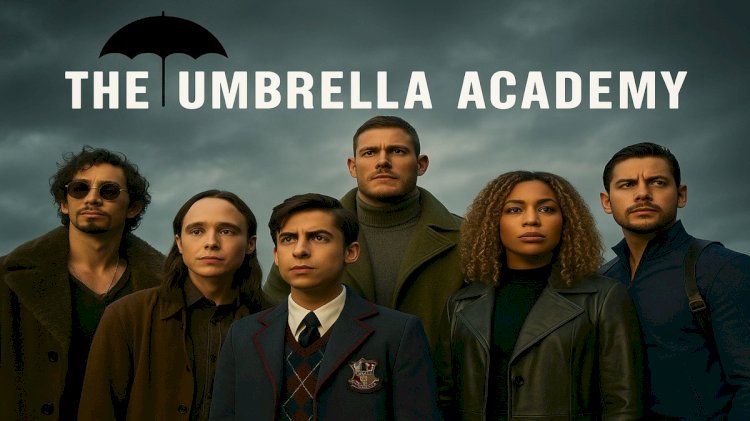
Introduction to The Umbrella Academy
The Umbrella Academy is a unique blend of dark comedy and superhero drama that captivates audiences with its intricate storytelling and complex characters. Created by Gerard Way and illustrated by Gabriel Bá, the series began as a comic book published by Dark Horse Comics and has since been adapted into a popular Netflix series. The show's quirky premise, combined with its exploration of familial relationships and personal traumas, sets it apart from traditional superhero narratives.
The Premise
The story revolves around a dysfunctional family of adopted siblings, each possessing extraordinary abilities. When their father, Sir Reginald Hargreeves, an eccentric billionaire, passes away, the siblings reunite to uncover the mystery of his death and prevent an impending apocalypse. The series intricately weaves together themes of grief, love, and responsibility, compelling viewers to reflect on their own family dynamics.
The Characters
One of the most striking aspects of The Umbrella Academy is its diverse cast of characters, each with their own unique abilities and personal struggles.
- Number One (Luther Hargreeves): The leader of the group, Luther possesses superhuman strength but grapples with feelings of inadequacy and a deep-seated need for approval.
- Number Two (Diego Hargreeves): A rebellious vigilante with exceptional knife skills, Diego struggles with his place in the family and his desire to be a hero.
- Number Three (Allison Hargreeves): Known for her ability to manipulate reality through her words, Allison deals with the consequences of her power and the impact it has on her relationships.
- Number Four (Klaus Hargreeves): The comic relief of the group, Klaus can communicate with the dead, but his struggles with addiction and self-worth add depth to his character.
- Number Five (Five Hargreeves): A time-traveler who has remained a child but possesses the intellect of an adult, Five often takes on the role of the strategist, trying to keep the family focused.
- Number Six (Ben Hargreeves): Though deceased, Ben's spirit manifests and assists Klaus, providing a haunting yet poignant portrayal of loss.
- Number Seven (Vanya Hargreeves): Initially perceived as powerless, Vanya's journey becomes a central theme, revealing the true extent of her abilities and the consequences of being marginalized.
Thematic Depth
The Umbrella Academy isn't just a superhero tale; it delves into profound themes such as mental health, identity, and the complexities of family relationships. Each character embodies different struggles that many viewers can relate to, such as anxiety, depression, and the search for acceptance.
Moreover, the show challenges traditional notions of heroism. The Umbrella Academy siblings often exhibit flawed behaviors, highlighting that heroism can come in many forms and is often intertwined with personal failings. This layered portrayal encourages the audience to empathize with characters who are both relatable and extraordinary.
Cinematic Style and Soundtrack
Visually, The Umbrella Academy stands out with its vibrant color palette and imaginative cinematography. The show's creators pay homage to various cinematic styles, incorporating elements of fantasy and surrealism that enhance the storytelling. The art direction complements the tone perfectly, creating a distinctive atmosphere that draws viewers into its unique world.
The soundtrack also plays a pivotal role in defining the series' mood. With an eclectic mix of classic songs and contemporary tracks, the music not only enhances emotional moments but also serves as a character in its own right. Iconic tracks often accompany key scenes, resonating with the audience and enriching their viewing experience.
The Impact of The Umbrella Academy
Since its debut, The Umbrella Academy has made a significant impact on the genre of superhero storytelling. By focusing on character development and emotional depth, it has shifted the narrative away from pure action and spectacle, offering a more nuanced exploration of what it means to be a hero. The show's success has also sparked discussions about representation and the importance of diverse voices in the superhero genre.
As audiences continue to embrace The Umbrella Academy, it challenges other shows in the genre to explore deeper themes and character complexities. Its influence will likely inspire a new generation of creators to craft stories that prioritize emotional resonance over traditional superhero tropes.
Conclusion
The Umbrella Academy stands as an innovative piece of storytelling that resonates with viewers on multiple levels. With its compelling characters, engaging plot, and exploration of meaningful themes, the series has carved out a unique niche in the ever-expanding universe of superhero narratives. As fans eagerly await future seasons, it's evident that The Umbrella Academy will continue to captivate audiences and redefine the boundaries of what a superhero story can be.
Liked This ? Share It !
What's Your Reaction?