The Love Scam
This article explores the phenomenon of love scams, detailing how they work, their impact on victims, and strategies for prevention.
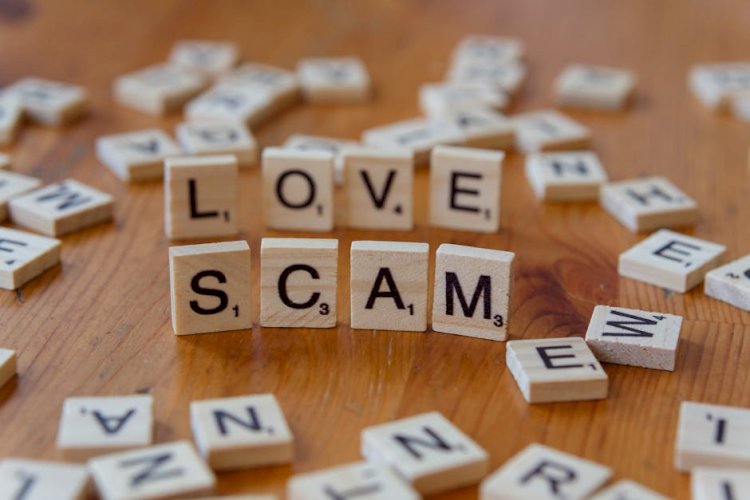
Introduction
In the digital age, relationships are no longer confined to physical interactions; many flourish online. However, this convenience has also given rise to a darker side of romantic connections—love scams. These fraudulent schemes exploit the vulnerabilities of individuals seeking companionship, often leading to emotional and financial devastation. In this article, we will delve deeper into the world of love scams, examining how they operate, the psychological tactics employed by scammers, and what you can do to protect yourself.
The Mechanics of Love Scams
At their core, love scams typically involve a scammer creating a fake identity on dating platforms or social media. This persona is often meticulously crafted to appeal to a specific target audience. Scammers usually choose attractive photographs of individuals that resonate with the victims' desires and fantasies.
Initial Contact
The first step in a love scam is the initial contact, where the scammer reaches out to their victim, often leading to a quick development of an emotional connection. The scammer engages in flirtatious conversations, shares fabricated personal stories, and gradually builds trust. This phase can last weeks or even months, as the scammer aims to establish a deep emotional bond with the victim.
Creating a Sense of Urgency
Once trust is established, the scammer will typically create a crisis scenario requiring urgent financial assistance. This might involve a fabricated medical emergency, legal troubles, or unexpected travel expenses. The scammer will often employ emotional blackmail, claiming that their life depends on the victim's help. This tactic plays on the victim's feelings of love and duty, compelling them to send money unexpectedly.
The Fallout
After the money is sent, the scammer may disappear or continue to create new scenarios requiring additional funds. Many victims find themselves trapped in a cycle of giving, believing their love will eventually lead to a physical meeting, only to face further deceit. The emotional toll can be overwhelming, leading to feelings of shame, isolation, and financial ruin.
The Psychological Tactics of Scammers
Scammers are notorious for their psychological manipulation skills. They often target emotionally vulnerable individuals, including those who are recently divorced, widowed, or lonely. Understanding the psychological tactics they use can help potential victims recognize red flags.
Building False Intimacy
Scammers are skilled at creating a false sense of intimacy and urgency. They often share personal stories that evoke sympathy, such as the loss of a loved one or struggles in their career. This strategy is designed to foster a feeling of closeness, making it easier for victims to accept requests for money.
Isolation
Another tactic used by scammers is to isolate their victims from friends and family. They may discourage outside communication, claiming that only they understand the victim's feelings. This isolation can make it challenging for victims to seek advice or support from trusted loved ones, further entrenching them in the scam.
Exploiting Trust and Hope
Hope is a powerful motivator, and scammers exploit this by leading victims to believe that a genuine relationship is developing. They often use phrases like “I can’t wait to meet you” or “You’re the only one for me.” This manipulation can keep victims engaged even in the face of mounting evidence that they are being scammed.
Prevention and Awareness
The best defense against love scams is awareness and vigilance. Here are a few tips to protect yourself:
1. Verify Identities
Always verify the identity of anyone you meet online. Perform reverse image searches to confirm that the photos being used are not stolen from someone else’s profile.
2. Be Cautious with Personal Information
Avoid sharing sensitive personal information, such as your address, financial details, or any identifying information that could be misused.
3. Trust Your Instincts
If something feels off, it probably is. Trust your instincts and take a step back if you begin to feel pressured into anything.
Conclusion
Love scams are a pervasive and growing problem in today’s society, using emotional manipulation to exploit vulnerable individuals. By understanding how these scams operate and employing preventive measures, you can better protect yourself and your loved ones from falling victim to such deceitful practices. Remember, true love should never come at a cost.
F&Q
What are the signs of a love scam?
Common signs include requests for money, reluctance to meet in person, and inconsistent stories about personal circumstances.
How can I report a love scam?
You can report a love scam to local authorities, your bank, and online platforms where the scam originated. Additionally, the Federal Trade Commission (FTC) provides resources for reporting scams.
Can love scams happen to anyone?
Yes, love scams can target anyone, regardless of age, gender, or background. Awareness is key to prevention.
Liked This ? Share It !
What's Your Reaction?