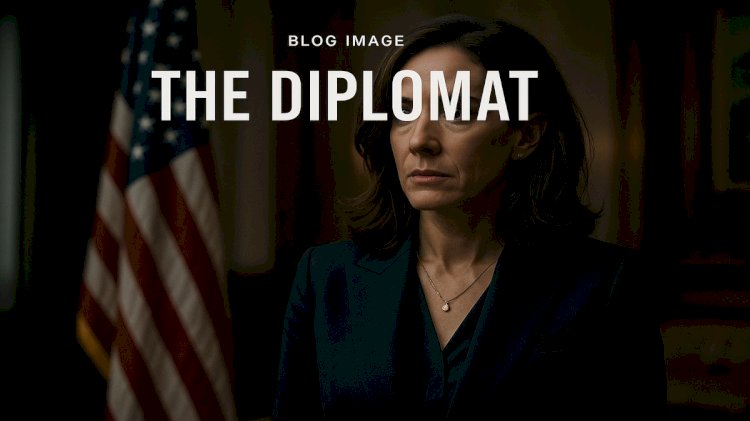
The diplomat
This article delves into the multifaceted role of diplomats, their skills, and their impact on international relations.
Understanding the Role of a Diplomat
Diplomats are the unsung heroes of international relations, operating behind the scenes to foster peace, promote trade, and enhance cooperation between nations. Their responsibilities extend far beyond the confines of official meetings and negotiations; they are the embodiment of diplomacy in action.
The Historical Context of Diplomacy
Diplomacy has ancient roots, tracing back to the earliest civilizations when envoys were sent to negotiate treaties and foster alliances. The role of a diplomat evolved significantly over time, particularly during the Renaissance and the establishment of formal diplomatic protocols. Today, diplomats are integral to the international order, working within a framework that seeks to mitigate conflict and promote stability.
Types of Diplomats
There are various types of diplomats, each serving distinct functions:
- Ambassadors: Senior diplomats representing their country in foreign nations, ambassadors are responsible for overseeing the embassy's operations and maintaining bilateral relations.
- Consuls: Focused on assisting citizens abroad, consuls handle issues like legal matters and provide support in emergencies.
- Special Envoys: These diplomats are appointed to handle specific issues such as climate change negotiations or peace talks.
- Career Diplomats: Professionals who have chosen diplomatic service as a career path, specializing in international relations and protocol.
Skills Required to Be a Diplomat
The life of a diplomat demands a diverse skill set. Here are some essential skills that define successful diplomats:
- Negotiation Skills: The ability to reach mutually beneficial agreements while maintaining national interests is crucial.
- Cultural Literacy: Understanding different cultures fosters respect and enhances communication, which is vital in diplomacy.
- Language Proficiency: Fluency in multiple languages allows diplomats to engage more effectively with foreign governments and their populations.
- Analytical Skills: Understanding complex geopolitical situations requires keen analytical abilities to assess risks and opportunities.
- Emotional Intelligence: The ability to navigate interpersonal relationships helps diplomats build trust and rapport.
The Impact of Diplomats on Global Issues
Diplomats play a pivotal role in addressing global challenges, including:
- Conflict Resolution: Diplomats often mediate peace talks to resolve conflicts and build agreements that lead to lasting peace.
- Trade Relations: By negotiating trade agreements, diplomats help boost their home countries' economies and create partnerships that benefit multiple nations.
- Human Rights Advocacy: Diplomats advocate for human rights and democratic values, influencing policy changes worldwide.
- Environmental Issues: Through international treaties and agreements, diplomats contribute to global efforts to combat climate change and promote sustainability.
Diplomacy in the Digital Age
The rise of technology and social media has transformed the landscape of diplomacy. Digital diplomacy, or "diplomacy 2.0," allows diplomats to reach wider audiences and engage in real-time communication. As a result, diplomats must adapt to new tools and platforms to effectively convey messages and counter misinformation.
The Future of Diplomacy
As we move further into the 21st century, the role of diplomats is set to evolve. Emerging global issues, such as cybersecurity and pandemics, will require diplomats to be agile and innovative in their approach. Furthermore, the increasing interconnectedness of nations means that the demand for skilled diplomats will only grow.
Final Thoughts
The diplomat's job is challenging yet rewarding, marked by the quest for peace and understanding in an increasingly complex world. Their work shapes the future of international relations and, ultimately, our global community.
Liked This ? Share It !
What's Your Reaction?