Sweet magnolias
Sweet magnolias are cherished for their stunning beauty and fragrant blooms, symbolizing Southern charm and resilience. Discover their history, care tips, and cultural significance.
Introduction to Sweet Magnolias
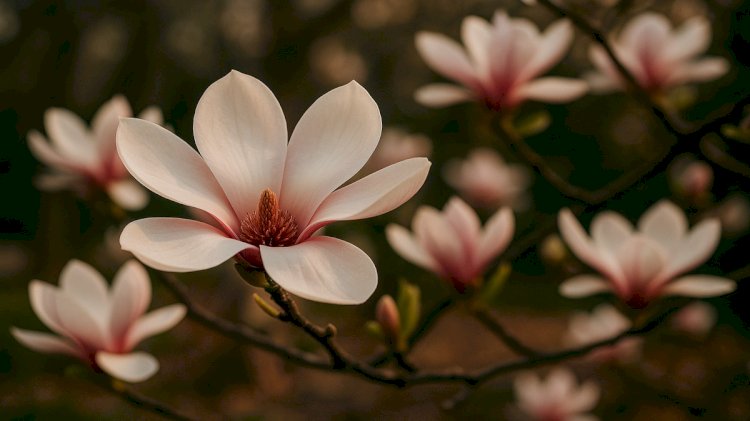
Sweet magnolias (Magnolia grandiflora) are more than just a beautiful flowering tree; they are a cultural icon of the American South. Renowned for their large, fragrant white flowers and glossy green leaves, sweet magnolias evoke feelings of nostalgia and grace. These trees thrive in warm climates and have been celebrated in literature, art, and southern living for centuries.
The Origin and History of Sweet Magnolias
Native to the southeastern United States, sweet magnolias have a rich history intertwined with Southern culture. The tree was named after the French botanist Pierre Magnol in the 18th century. Indigenous to areas from Virginia to Florida and as far west as Texas, sweet magnolias have been cultivated for their grandeur and aesthetic appeal.
In the early days, sweet magnolias were often planted near homes and public spaces, symbolizing hospitality and southern charm. Their beautiful blooms were frequently used in weddings and special occasions, marking them as an emblem of love and prosperity.
Characteristics of Sweet Magnolias
Sweet magnolias can grow up to 80 feet tall, creating a stunning focal point in any landscape. The tree boasts large, leathery leaves that can measure up to eight inches long, providing a lush backdrop for its show-stopping blossoms. The flowers bloom in late spring to early summer, and their creamy white petals can span up to 12 inches across, adorned with a delightful fragrance that attracts various pollinators.
Growing Regions
Sweet magnolias thrive in USDA hardiness zones 7 to 10, making them suitable for warm, humid climates. They are commonly found in states like Louisiana, Mississippi, Alabama, and Florida, where they can grow to their full potential. However, with proper care, they can also be grown in more protected areas outside their ideal range.
Caring for Sweet Magnolias
Providing the right care for sweet magnolias can ensure they flourish and live for many years. Here are some essential tips for growing and maintaining these majestic trees:
Soil Requirements
Sweet magnolias prefer well-draining, acidic to neutral soil with a pH range of 5.0 to 7.0. They thrive in loamy or sandy soils enriched with organic matter. Conducting a soil test can help determine the necessary amendments to promote healthy growth.
Watering
While sweet magnolias are drought-tolerant once established, they benefit from regular watering during the early stages of growth. It’s crucial to ensure they receive adequate moisture, particularly during dry spells. Aim for deep watering to encourage a robust root system.
Sunlight Requirements
These trees prefer full sun to partial shade. Ideally, they should receive at least six hours of sunlight each day to promote healthy flowering. In hotter climates, some afternoon shade can protect the tree from extreme heat.
Pruning
Pruning sweet magnolias is best done in late winter or early spring before new growth begins. Remove any dead or damaged branches and maintain a balanced shape. Avoid heavy pruning, as it can stress the tree and reduce blooming.
Cultural Significance of Sweet Magnolias
Beyond their physical beauty, sweet magnolias hold deep cultural significance in the Southern United States. They have been featured in numerous literary works, including the famous play and film “Steel Magnolias,” which highlights the strength of Southern women and community bonds.
The sweet magnolia is also the state flower of Mississippi, reflecting its importance in Southern identity. It symbolizes dignity, perseverance, and beauty, resonating with those who call the South home.
Conclusion
Sweet magnolias are more than just ornamental trees; they are symbols of Southern heritage and beauty. With their stunning blooms and fragrant scent, they continue to inspire and uplift those who encounter them. By understanding their care requirements and cultural significance, you can cultivate a sweet magnolia that will be cherished for generations to come.
Liked This ? Share It !
What's Your Reaction?